

Events
Our Centre hosts educational courses, public engagement events and weekly Brain Meetings.
For The Brain Meeting, please sign up on the week of your chosen scheduled talk, and include the date of the event and the name of the speaker or title of the talk for reference.
Brain meetings, workshops and other meetings
Brain Meetings are held on Fridays
Speakers come from within UCL…
…as well as national and international institutions
In person at 12 Queen Square & online via Microsoft Teams (email: ion.fil.brainmeetings@ucl.ac.uk for a link
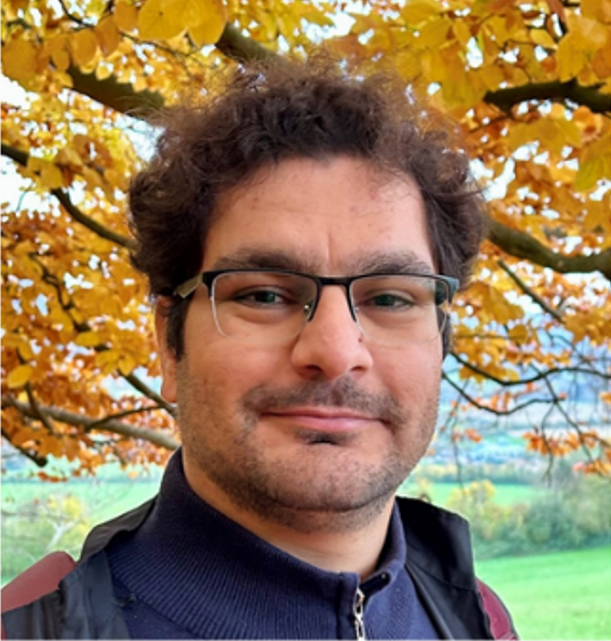
Brain Meeting
Speaker: Yousef Mohammadi
Title: Cortical sensitivity to statistics of natural sounds
Location: In-person & Online via Microsoft Teams

Brain Meeting
Speaker: Valentin Wyart (Ecole Normale Supérieure, Paris)
Title: TBC
Location: In-person & Online via Microsoft Teams

Brain Meeting
Speaker: Dorottya Hetenyi (FIL)
Title: TBC
Location: In-person & Online via Microsoft Teams

Brain Meeting
Speaker: Valentina Lind (Queen Square Unit of Functional Neurosurgery and GOSH)
Title: TBC
Location: In-person & Online via Microsoft Teams

Brain Meeting
Speaker: Elsa Fouragnan (School of Psychology, University of Plymouth)
Title: TBC
Location: In-person & Online via Microsoft Teams

Brain Meeting
Speaker: Kamil Uludag (Department of Medical Biophysics, University of Toronto, Canada)
Title: Laminar fMRI modeling - from neural activity to the BOLD signal and back
Location: In-person & Online via Microsoft Teams
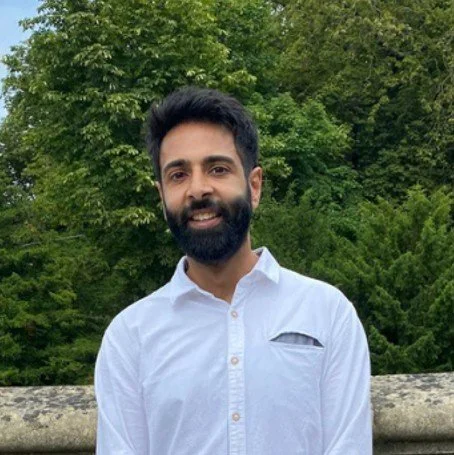
Brain Meeting
Speaker: Chetan Gohil (Research Department of Epilepsy, Institute of Neurology, UCL)
Title: Leveraging Large-Scale Datasets for Dynamic Brain Network Modelling
Location: In-person & Online via Zoom
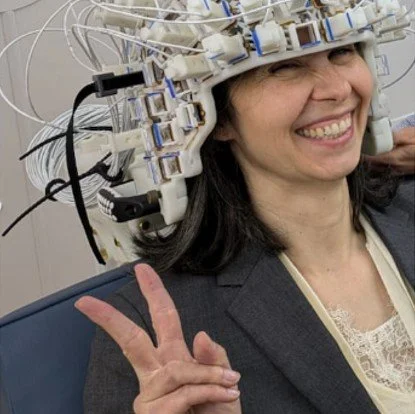
Brain Meeting
Speaker: Marta Garrido (Melbourne School of Psychological Sciences, The University of Melbourne)
Title: Towards a mechanistic understanding of the emergence of positive psychotic symptoms
Location: In person & Zoom
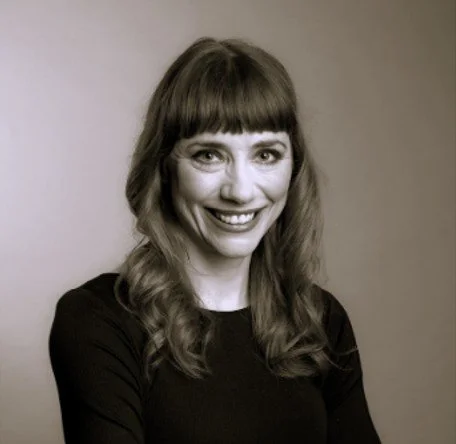
Brain Meeting
Speaker: Meaghan Spedden (Cognitive Neuroscience and Functional Imaging Laboratory, UCL)
Title: Imaging movement from brain to spinal cord
Location: In person & Zoom
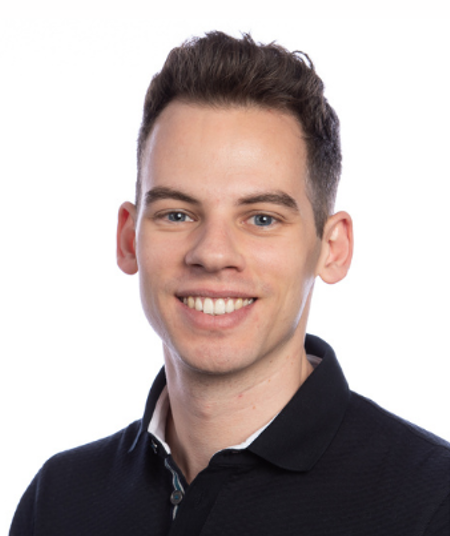
Brain Meeting
Speaker: Herberto Dhanis (Swiss National Science Foundation Research Fellow at the Functional Imaging Laboratory (UCL) )
Title: Brain dynamics of Parkinson's disease
Location: In person & Online via ZOOM
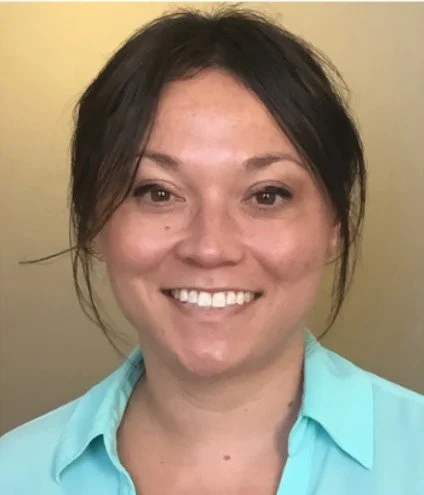
Brain Meeting
Title: Using brain-behavior modeling to elucidate mechanisms
Speaker: Sarah Yip (Associate Professor of Psychiatry, Associate Professor of Child Study, Director, Yale imaging and Psychopharmacology, Co-Director, Division of Computational Psychiatry, Yale School of Medicine)
Location: In Person & Online via Zoom
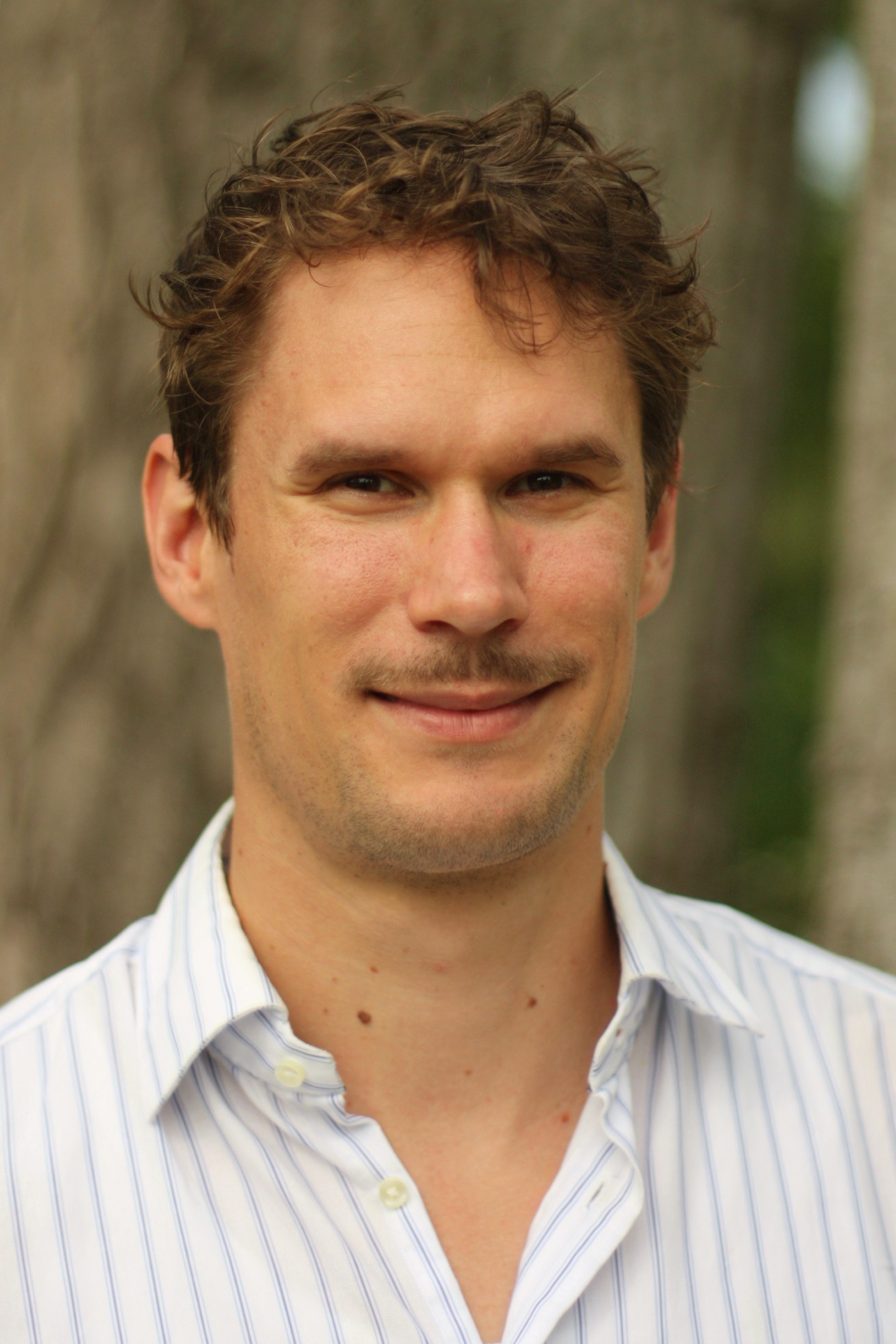
Brain Meeting
Speaker: Marco Wittmann (Assistant Professor, MRC Career Development Fellow, Department of Experimental Psychology. Group Leader, Max Planck UCL Centre for Computational Psychiatry & Ageing Research, University College London)
Location: In person & online
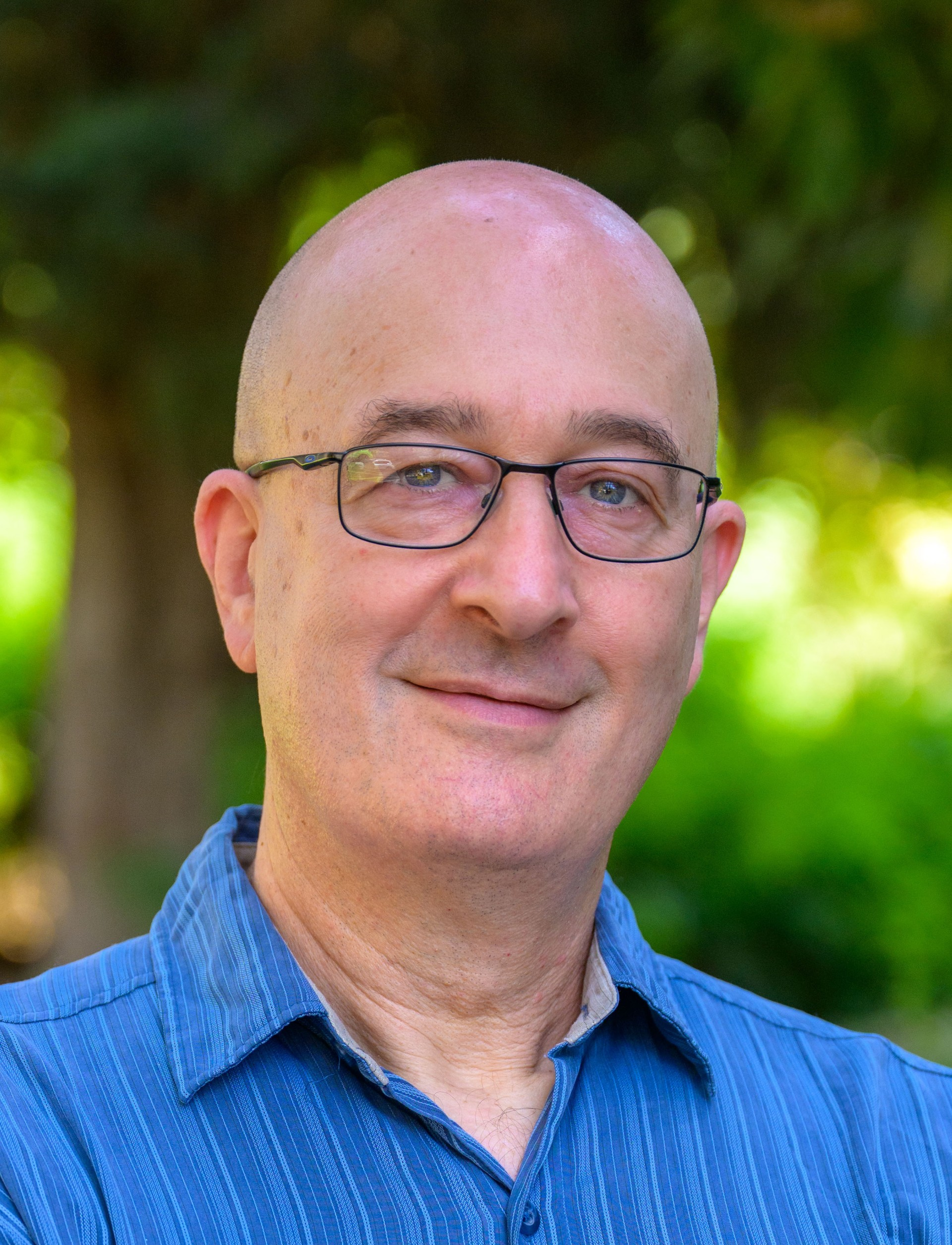
Brain Meeting
Speaker: Nachum Ulanovsky (Department of Brain Sciences, Weizmann Institute of Science, Israel)
Location: Online only (Zoom)
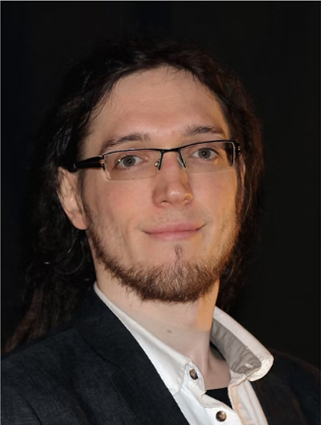
Brain Meeting
Speaker: David Richter (Mind, Brain and Behaviour Research Centre (CIMCYC), University of Granada)
Location: In Person & Online via Zoom
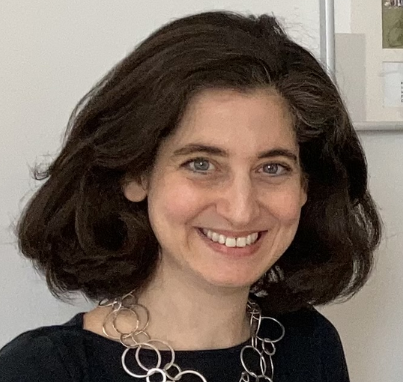
Brain Meeting
Speaker: Karin Shmueli (Dept. of Physics and Biomedical Engineering, UCL)
Location: In Person & Online via Zoom
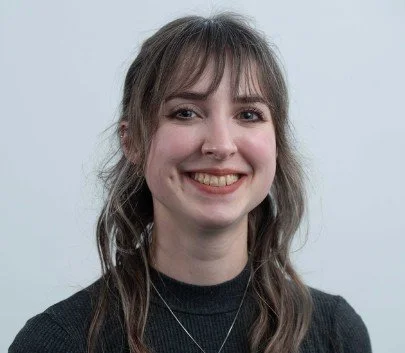
Brain Meeting
Speaker: Olivia Kowalczyk (King’s Prize Research Fellow, Department of Neuroimaging, Institute of Psychiatry, Psychology & Neuroscience, King’s College London, SPM Training & Documentation Lead, Functional Imaging Laboratory, Department of Imaging Neuroscience, UCL)
Location: In Person & Online via Zoom
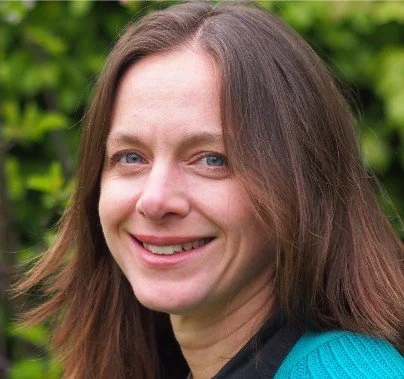
Brain Meeting
Speaker: Jennifer Bizley (Professor of Auditory Neuroscience, UCL Ear Institute)
Location: In Person & Online via Zoom
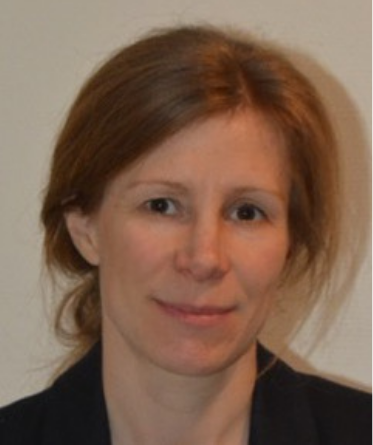
Brain Meeting
Speaker: Leonie Koban (CNRS Associate Researcher (tenured), Lyon Neuroscience Research Center)
Location: In Person & Online via Zoom
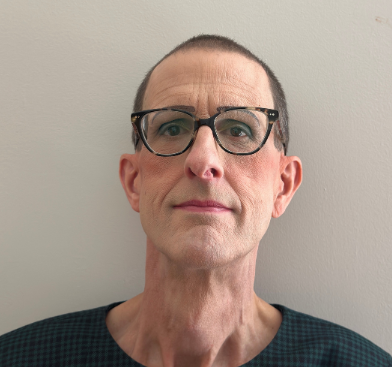
Brain Meeting
Speaker: James R Booth (Patricia and Rodes Hart Professor, Department of Psychology and Human Development, Vanderbilt University)
Location: In Person & Online via Zoom
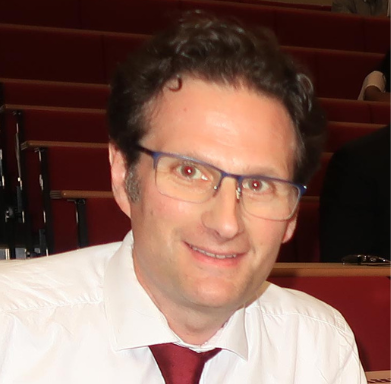
Brain Meeting
Speaker: Roland Zahn (Professor of Mood Disorders & Cognitive Neuroscience / Consultant Psychiatrist, National Service for Affective Disorders, Maudsley Hospital Joint Director, Centre for Affective Disorders, IoPPN, King’s College London)
Location: In Person & Online via Zoom
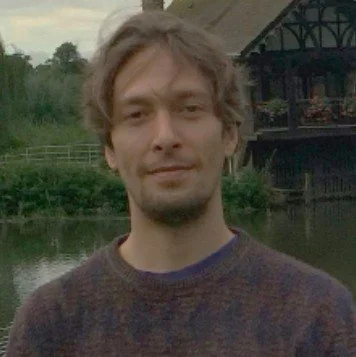
Brain Meeting
Speaker: Oiwi Parker-Jones (Department of Engineering Science, Oxford)
Location: In Person & Online via Zoom
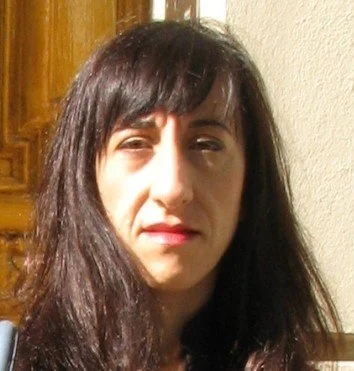
Brain Meeting
Speaker: Maria Herrojo Ruiz (Reader in Cognitive Neuroscience at the School of Mind, Body and Society, Goldsmiths, University of London)
Location: In Person & Online via Zoom
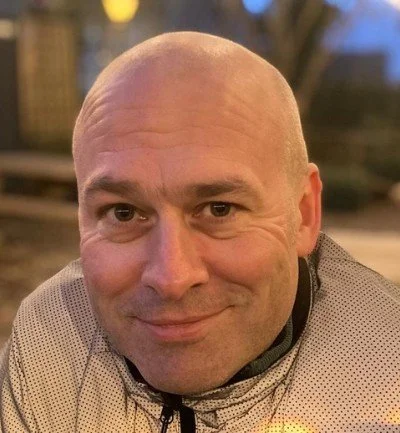
Brain Meeting
Speaker: Michael Browning (Department of Psychology, Oxford)
Website / BlueSky: @mikebrowning.bsky.social
Location: In Person & Online via Zoom
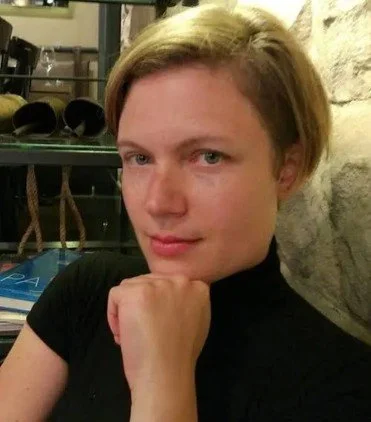
Brain Meeting
Speaker: Ayelet Landau (Department of Psychology, UCL)
Website: www.landaulab.com
Bluesky: @ayeletlandau.bsky.social
LinkedIn: linkedin.com/in/ayelet-landau-a579b8a3
Location: In Person & Online via Zoom
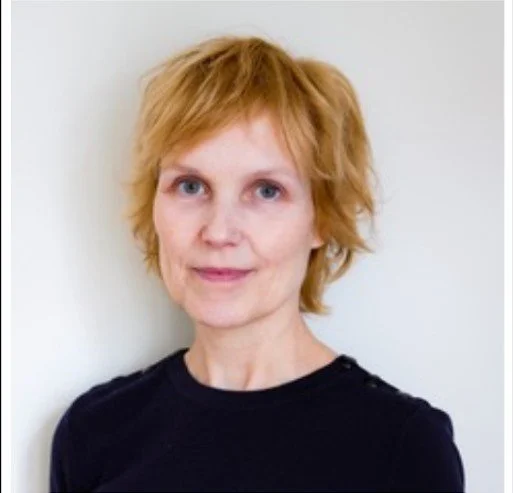
Brain Meeting
Janneke Jehee (Professor & Principal Investigator
Donders Institute for Brain, Cognition and Behavior)
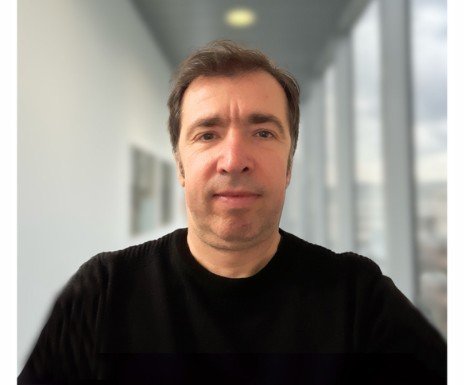
Brain Meeting
Mathias Pessiglione: Inserm Research Director, Leader of the 'Motivation, Brain & Behaviour' team at the Paris Brain Institute
Team website: https://sites.google.com/site/motivationbrainbehavior/
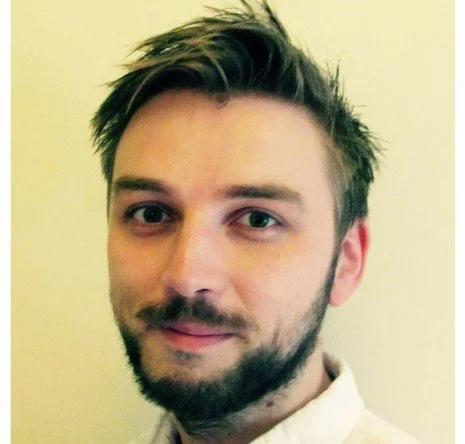
Brain Meeting
Andrew MacAskill: Professor of Cellular and Systems Neuroscience at UCL, Dept of Neuroscience, Physiology and Pharmacology
BlueSky: @macaskillaf
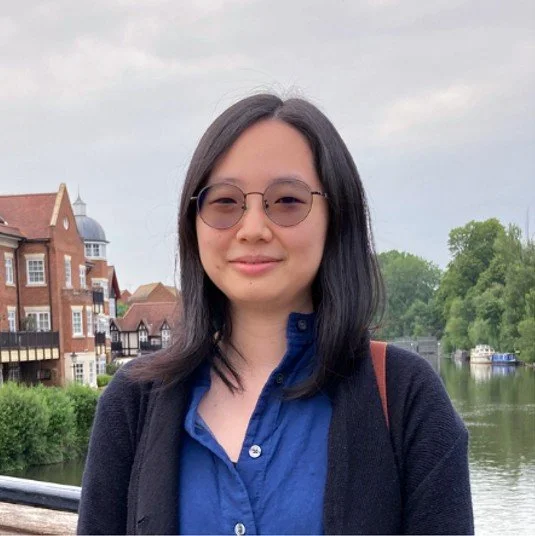
Brain Meeting
Title: Biases in belief and simulation in obsession-compulsion
Speaker: Tricia Seow (Senior Research Fellow, Max-Planck UCL Centre for Computational Psychiatry and Ageing Research)
Location: In person at 12 Queen Square & online via Zoom
Abstract: Compulsions and obsessions are core symptoms of obsessive-compulsive disorder (OCD). In this talk, I will focus on two mental processes that contribute to these symptoms: biases in belief and biases in mental simulation. First, I will discuss metacognitive biases—explicit confidence ratings—showing that overconfidence in decisions is linked to a transdiagnostic dimension of compulsivity, replicated across multiple cognitive domains. The rigidity of this overconfidence appears to arise from an impaired sensitivity to external feedback signals. Next, I will turn to the period preceding explicit belief reports—deliberation—and examine mental simulation, measured using magnetoencephalography (MEG) to track neural replay during decision-making. I will show that humans use replay to simulate options before decisions, and that in OCD, individuals with higher obsessional symptoms show exaggerated replay for salient outcomes, which is associated with increased avoidance behaviour. Together, these findings suggest that biases in implicit simulation and explicit belief may represent complementary mechanisms, contributing to obsessional and compulsive symptoms, respectively. I will close with a hierarchical framework that extends to broader forms of self-reflection in the clinic and offers a step toward a unified conceptualisation of metacognition across neurocognitive and clinical disciplines.
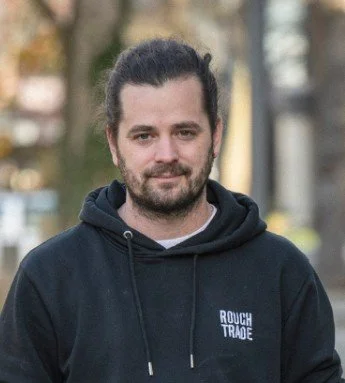
Brain Meeting
Title: LLMs as models of high level perceptual processing
Speaker: Adrien Doerig (Guest Professor, Freie Universität Berlin)
Location: In person at 12 Queen Square & online via Zoom
Abstract: The brain extracts far more from vision than just objects: it encodes relations, context, and meaning. I will show that embeddings from large language models (LLMs) provide quantitative models of this complexity, aligning closely with brain activity evoked by natural scenes. These embeddings capture functional selectivity across cortex, enable reconstruction of captions from brain data, and provide a more brain-like representational format than many state-of-the-art alternatives. I will then look beyond our results to recent findings and ongoing work in my lab, and speculate that LLM embeddings may offer a general framework for modeling high-level perceptual processing in the human brain.
Speaker Bluesky: https://bsky.app/profile/adriendoerig.bsky.social
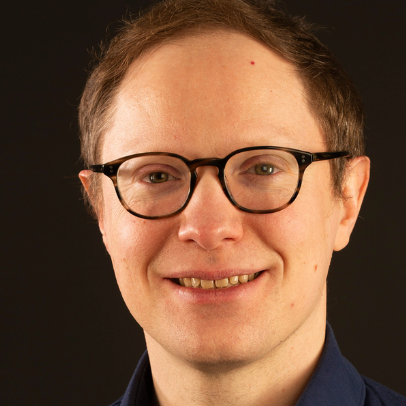
Brain Meeting
Introducing the Neurovascular Modelling Group
Speaker: Peter Zeidman
Group Leader, Neurovascular Modelling Group Chair, Methods Group
UCL Department of Imaging Neuroscience (FIL)
In person at 12 Queen Square & online via Zoom